DeepSeek Chat Bot: What It Is, How to Use It, and What to Know First
The DeepSeek chat bot is a free AI assistant built by the Chinese company DeepSeek, reachable through a browser and through iOS and Android apps on the official DeepSeek site. It answers in text, explains concepts, writes and edits code, and can work through problems step by step using a reasoning mode.
This page is an independent reference guide — it is not affiliated with, endorsed by, or operated by DeepSeek. The chatbot itself runs only on DeepSeek’s own site and apps; what follows is a factual rundown of how it works, what it can do, what it costs, and what its own privacy policy discloses about user data.
What the DeepSeek Chat Bot Is
A conversational assistant from a Chinese AI lab
The DeepSeek chatbot launched for iOS and Android on 10 January 2025, and gained its reasoning capability days later with the DeepSeek-R1 model, released 20 January 2025. It was developed by Hangzhou DeepSeek Artificial Intelligence Co., Ltd., a company founded on 17 July 2023 by Liang Wenfeng and owned by the hedge fund High-Flyer; according to Wikipedia, the company employed roughly 160 people in 2025. In May 2026 it closed a Series A round of $7 billion at a $52 billion valuation, and in July 2026 it began preparing for an IPO targeting 2027.
Why it made so much noise
By 27 January 2025, the app had overtaken ChatGPT to become the most-downloaded free app in the US App Store. Nvidia’s stock dropped as much as 18% intraday that same day (closing down about 17%), and the sell-off wiped out roughly $589 billion in market capitalization — the largest single-day loss in US stock market history. Much of the reaction traced back to DeepSeek’s claim that training DeepSeek-V3 cost around $5.576 million, using about 2,000 Nvidia H800 accelerators over roughly 55 days — an order of magnitude below the budgets reported by competing labs.
How to Access the DeepSeek Chat Bot
Web, mobile, desktop
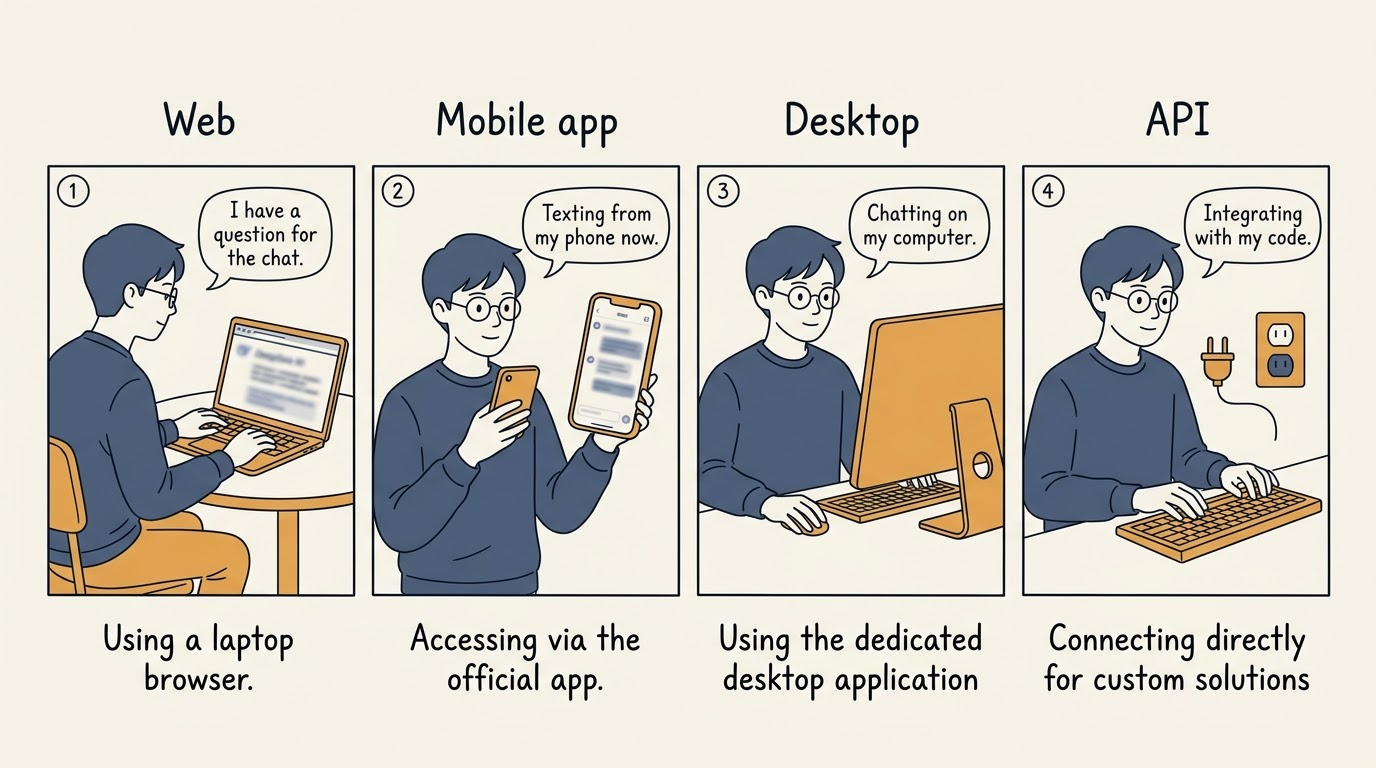
There are three official channels:
- A web chat on DeepSeek’s own site, no download required.
- Mobile apps in the Apple App Store and Google Play.
- Desktop clients for Windows and macOS.
Separately, DeepSeek runs an API Open Platform for developers and DeepSeek Harness for agentic workflows.
Account and limits
Saving chat history requires an account, created with an email or through a third-party login such as Apple or Google — DeepSeek’s privacy policy explicitly mentions third-party login as a signup path. The web version is free to use, and Wikipedia notes an approximate cap of 500 messages per hour as an anti-spam measure. The app currently carries a 13+ age rating on the Apple App Store (listed as 12+ before Apple’s 2025 move to a new global rating scale) and a Teen content rating on Google Play, and DeepSeek’s terms of use require parental consent for users under 18.
Getting started takes a few minutes:
- Open the official DeepSeek site or install the app from the App Store or Google Play.
- Create an account with an email address or a third-party login.
- Pick a chat mode — standard response or the DeepThink reasoning mode.
- Type a task, question, or piece of code into the chat window.
- Review the answer; DeepSeek’s own policy warns outputs can be factually wrong.
- Ask follow-up questions instead of restarting the conversation from scratch.
Which Models Power the Chat Bot
From R1 to V4
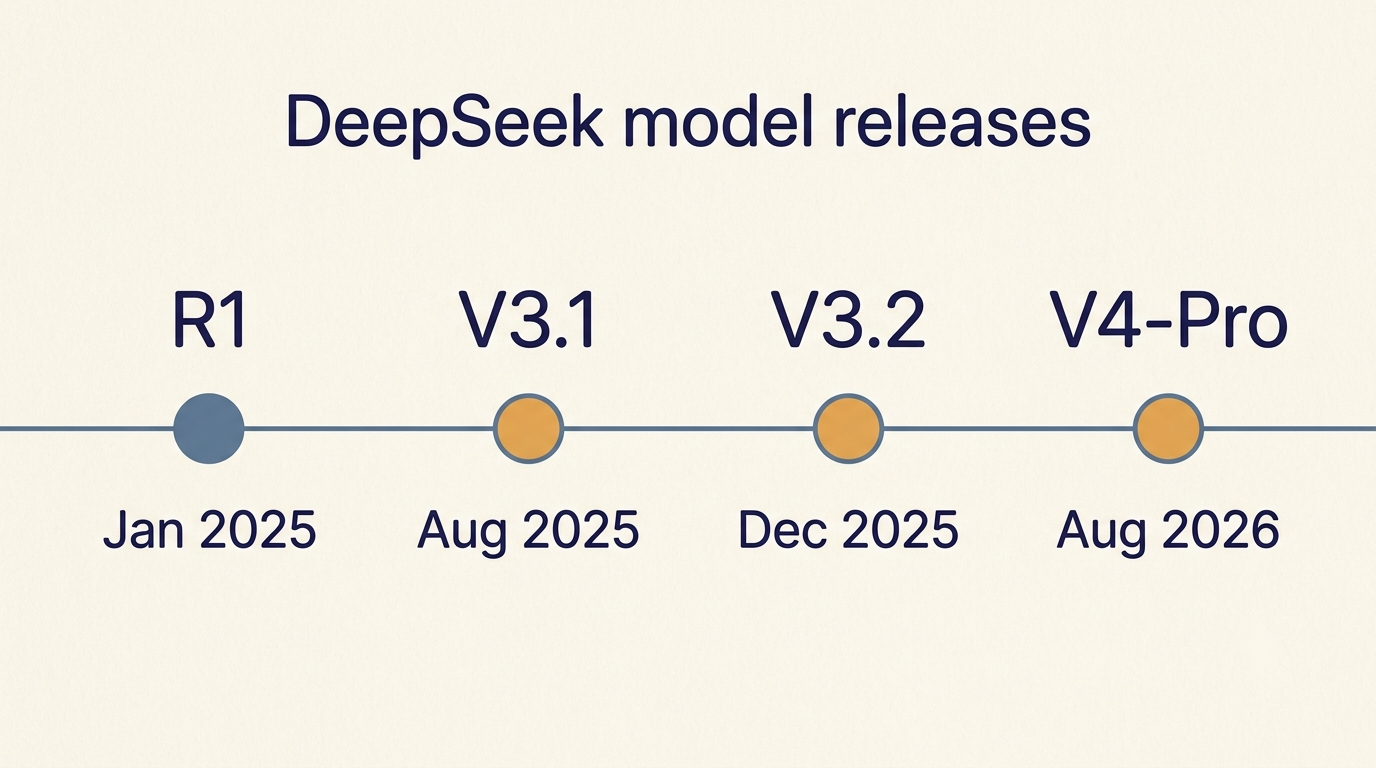
The lineage starts with DeepSeek-V3 (671B parameters, 37B active, 128K context, trained on 14.8T tokens) and DeepSeek-R1, released 20 January 2025 under an MIT license. Through 2025 the V3 branch kept evolving:
- V3.1 (21 August 2025) — added hybrid thinking and non-thinking modes.
- V3.1-Terminus (22 September 2025) — a stability-focused update.
- V3.2-Exp (29 September 2025) — introduced sparse attention.
- V3.2 and V3.2-Speciale (1 December 2025) — the last releases before V4.
The V4 family was previewed on 24 April 2026: V4-Flash at 284B total parameters with 13B active across 43 layers, and the flagship V4-Pro at 1.6T total parameters with 49B active across 61 layers — both carrying a 1-million-token context window under an MIT license. Official general-availability releases followed with V4-Flash-0731 on 31 July 2026 and V4-Pro-0813 on 13 August 2026.
Reasoning modes and benchmarks
| Model | Total params | Active params | Context window |
|---|---|---|---|
| DeepSeek-V3 | 671B | 37B | 128K |
| DeepSeek-R1 | — | — | 128K |
| DeepSeek-V4-Flash | 284B | 13B | 1M |
| DeepSeek-V4-Pro | 1.6T | 49B | 1M |
The current API lineup includes deepseek-v4-flash, deepseek-v4-pro, and an experimental deepseek-v4-flash-vision-exp that accepts image input. Reasoning modes — non-thinking, high, and max — are available through the API, and in the chat interface this has historically surfaced as the DeepThink toggle. According to Artificial Analysis’s Intelligence Index, the V4-Pro-0813 build scores 36 points, ranking 7th out of 112 tracked models, with V4-Flash-0731 one point behind at 35. DeepSeek’s own reported figures for V4-Pro include 80.6% on SWE-bench Verified, 93.5% on LiveCodeBench, and a Codeforces rating of 3206; independent reviewers note some of these company-reported scores await third-party reproduction.
What the Chat Bot Can and Cannot Do
Explaining concepts and rewriting text. The chatbot handles plain-language explanations, editing, and rephrasing of existing drafts, which covers a large share of everyday requests.
Working with code. It can write new code, debug existing snippets, and review pull-request-sized chunks of a codebase, following a described task and context.
Structuring research and notes. Users prompt it to outline research plans, organize scattered notes, and work through math or step-by-step calculations.
A practical pattern from usage guides: name the task, give context, specify the output format, check the answer, and refine with follow-up questions rather than restarting from zero.
Known limits
The chatbot has no image generation feature, which sets it apart from a number of competitors. DeepSeek’s own privacy policy warns that model output is a next-word prediction and can be factually incorrect, so accuracy should not be assumed without verification.
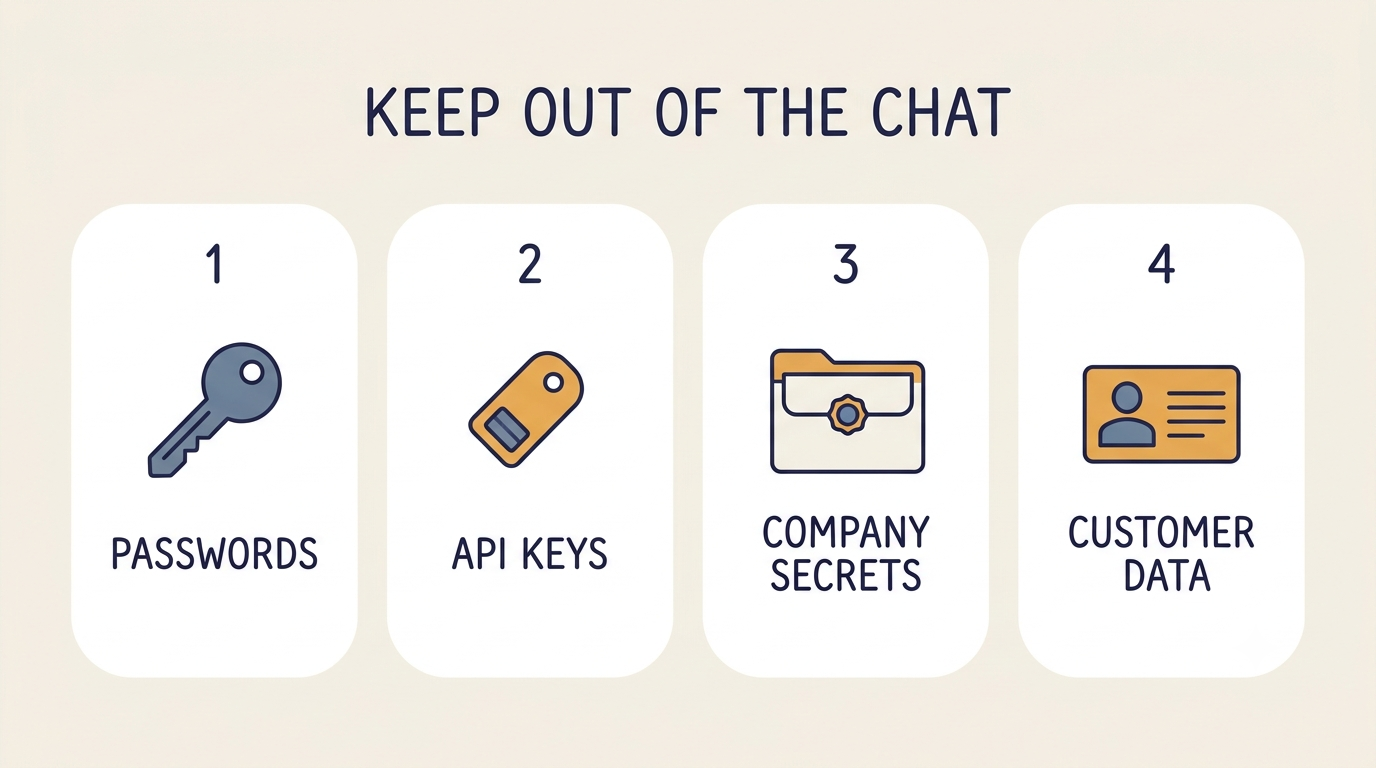
What usage guides recommend keeping out of the chat window:
- Passwords and login credentials.
- API keys and access tokens.
- Confidential company material.
- Customer personal data.
DeepSeek Chat Bot vs ChatGPT
The core model weights and code are made publicly available under an MIT License.
DeepSeek API documentation
Where the difference actually is
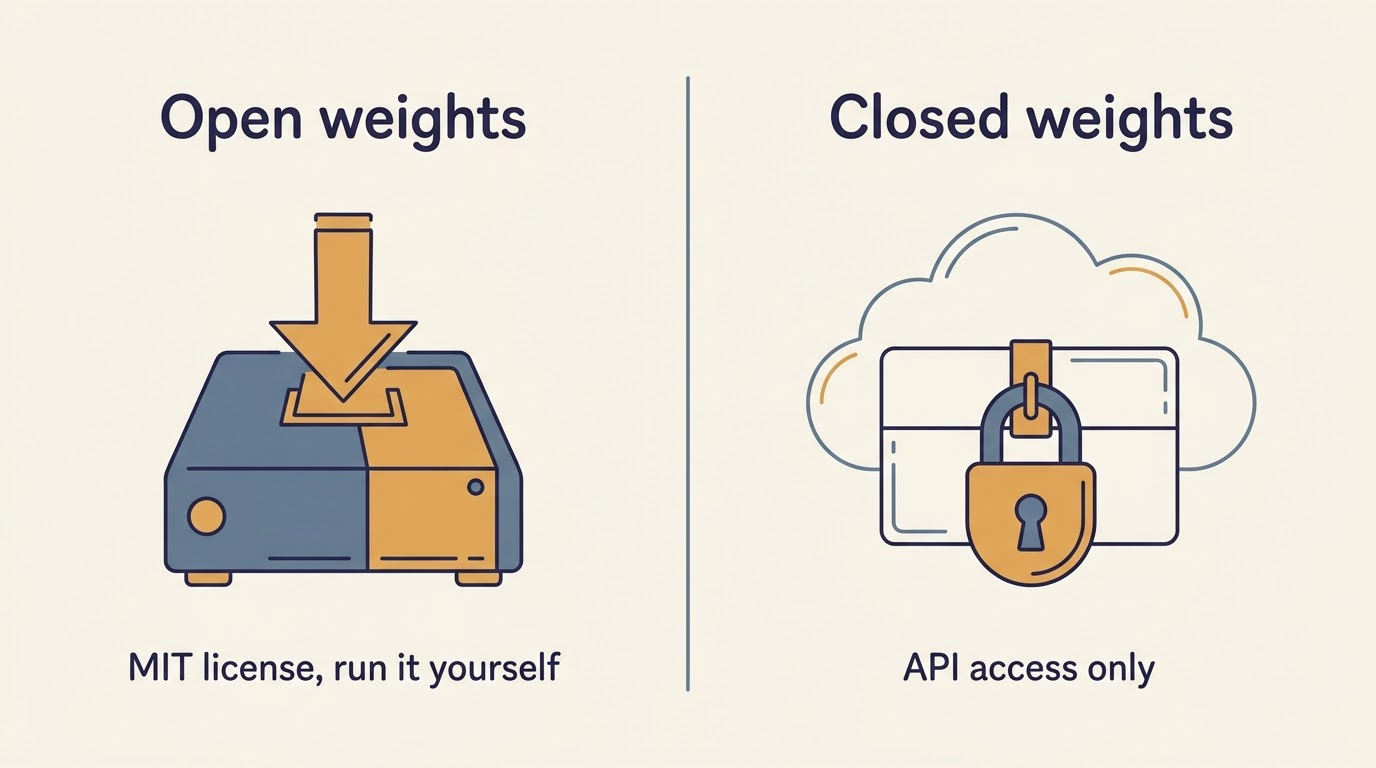
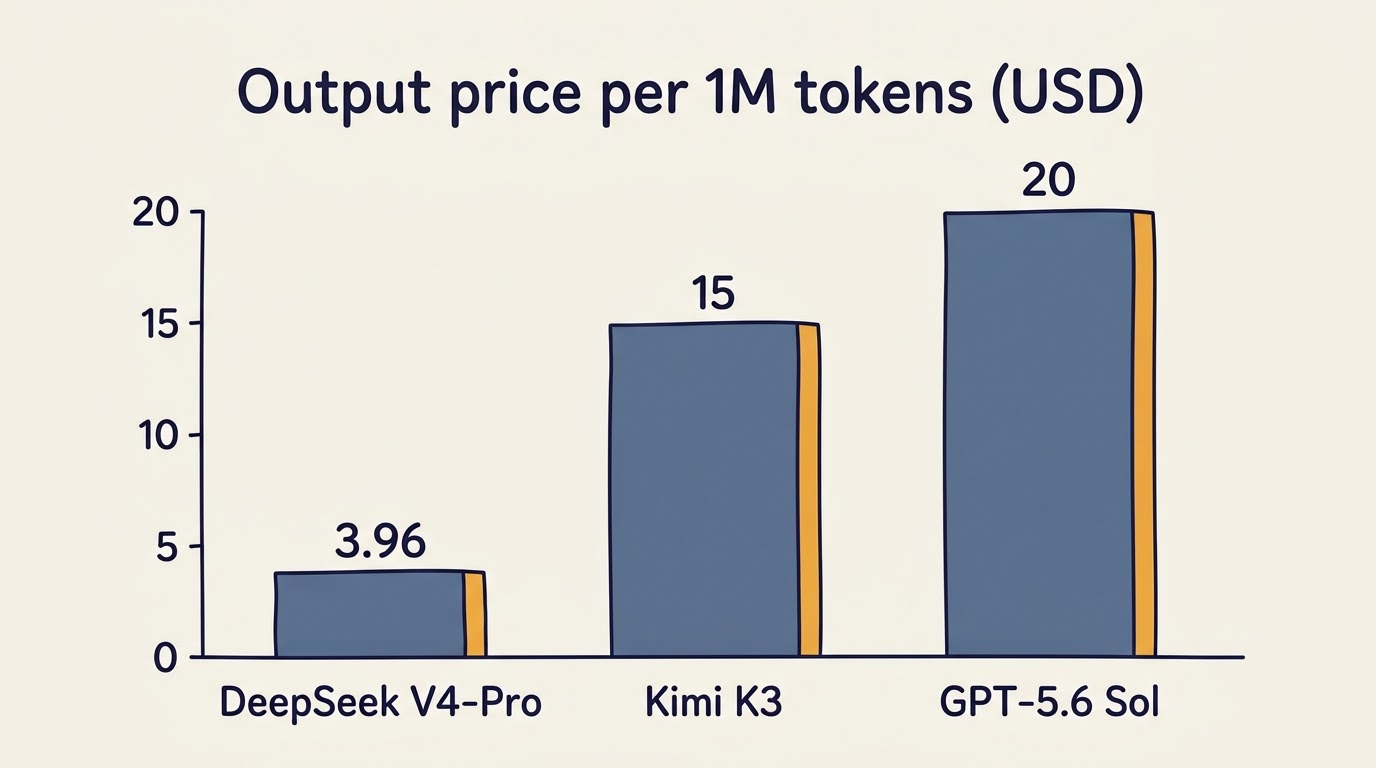
Three concrete differences stand out. First, DeepSeek publishes its model weights under an MIT license — V4-Flash-0731 is available on Hugging Face as 166.9 GB across 48 shards — so they can be downloaded and run independently. Second, API pricing runs noticeably lower: V4-Pro costs $1.32 per 1M input tokens and $3.96 per 1M output tokens during peak hours, roughly half that off-peak, compared with $20 per 1M output tokens for GPT-5.6 Sol and $15 for Kimi K3. Third, DeepSeek offers less multimodality — there is no image generation.
| Factor | DeepSeek (V4-Pro) | ChatGPT |
|---|---|---|
| Model weights | Open, MIT license | Closed |
| API output pricing | $3.96 / 1M tokens (peak) | $20 / 1M tokens (GPT-5.6 Sol) |
| Image generation | Not available | Available |
| Context window | 1M tokens | Varies by model |
Peak hours run 01:00–04:00 and 06:00–10:00 UTC on weekdays; outside peak, and with a cache hit, V4-Pro input tokens cost $0.044 per 1M — about a 97% discount compared with a cache miss.
Privacy, Data and Restrictions
What DeepSeek’s own policy says
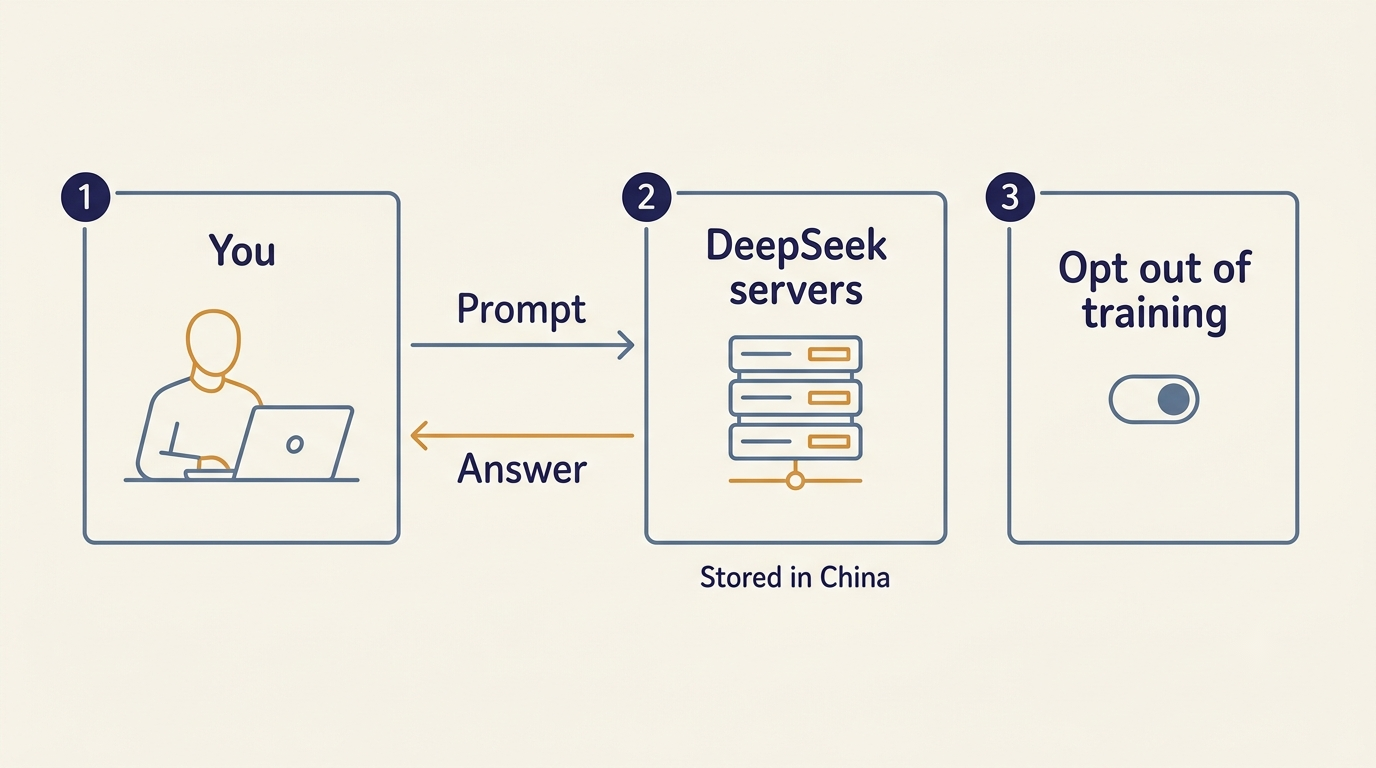
DeepSeek’s privacy policy, last updated 10 February 2026, states directly that personal data is collected, processed, and stored in the People’s Republic of China, with Hangzhou DeepSeek Artificial Intelligence Co., Ltd. named as the data controller. Collected data includes user input (text, voice, files, images), chat history, device and network data, IP address, and approximate location. The company states it does not perform profiling, targeted advertising, or data sales, and does not extract biometric identifiers from voice or photos. Users can request access, correction, deletion, and data portability, and can separately opt out of having their data used for model training. For the EEA, Switzerland, and the UK, Prighter Group is named as the Article 27 GDPR representative.
Incidents and government restrictions
On 29 January 2025, Wiz Research reported an exposed DeepSeek database containing more than a million records, including chat logs, API keys, and system logs; according to their report, access was closed within an hour of notification. On 30 January 2025, Italy’s data protection regulator ordered the service blocked in the country, and in April 2025 South Korea’s PIPC found that data belonging to an estimated 1.5 million users had been transferred to companies in China and the US without proper consent. Restrictions on government-issued devices have been introduced by the US Navy, the US Department of Commerce, Australia, South Korea, Canada, Taiwan, and the Czech Republic (July 2025), as well as the state of Texas; the NDAA 2026 bars the US Department of Defense and intelligence community from using DeepSeek outside sanctioned research. The app has also been pulled from stores in several countries, including Germany, over questions about how it handles data.
Using DeepSeek Beyond the Chat Window
API and self-hosting
DeepSeek’s API is format-compatible with both the OpenAI and Anthropic SDKs: https://api.deepseek.com serves OpenAI-compatible calls, and https://api.deepseek.com/anthropic serves Anthropic-compatible ones, with keys issued through platform.deepseek.com. The API supports a JSON output mode and lets developers control reasoning depth through thinking and reasoning_effort parameters. Open weights under the MIT license, published on Hugging Face, allow the models to be run independently — for example through vLLM or SGLang — and the V4-Pro checkpoint includes a DSpark variant with built-in speculative decoding. API concurrency limits stand at 500 for V4-Pro in general availability and 2,500 for V4-Flash in public beta.